How to Pack for House Shifting: Boxes, Materials and Fragile Items
To pack for a house move, gather strong cartons and proper wrapping material first, then pack room by room, starting with the rooms you use least. Wrap fragile items one by one, put heavy things in small boxes and light things in big ones, fill every gap so nothing moves, and label each box with its room and contents. This guide shows how to do that for every part of a Pakistani home, from crockery and the LED TV to achaar jars and the dining table.
If you are still planning the move, start with our week-by-week house shifting checklist, then come back here when it is time to pack.
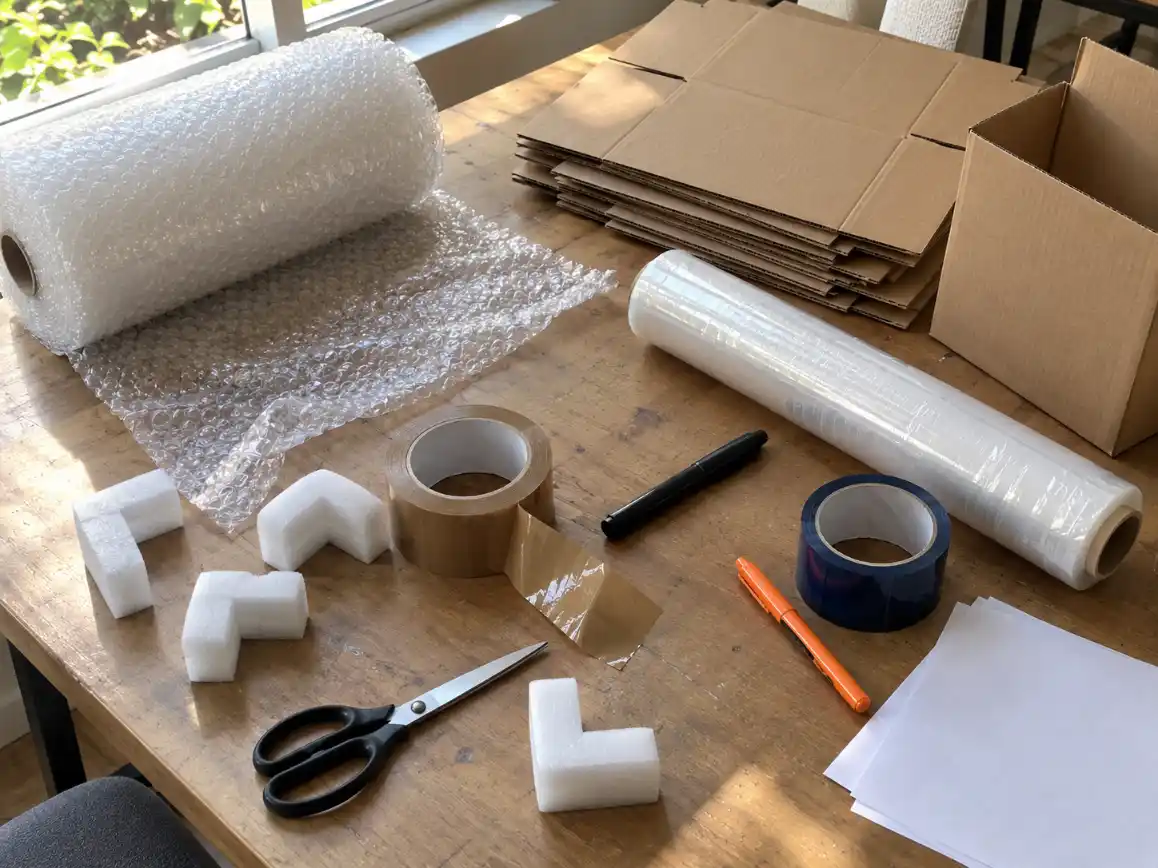
Packing Supplies You Will Need
| Material | What it is for |
|---|---|
| Corrugated cartons (small, medium, large) | Books and kitchenware in small boxes, clothes and bedding in large ones |
| Bubble wrap | Glassware, crockery, showpieces and electronics |
| Plain packing paper | A first layer on plates and glasses, and filling gaps inside boxes |
| Stretch film | Sofas, mattresses, drawers and anything that should stay dust-free |
| Thermocol sheets and corner guards | Mirrors, glass table tops, paintings and furniture corners |
| Strong packing tape | Sealing the top and bottom of every box |
| Markers and labels | Writing the room and contents on each box |
| Zip bags | Screws, cables, remote controls and open spices |
| Old blankets and bedsheets | Extra cushioning for wooden furniture in the truck |
Choosing the Right Boxes for Shifting
The boxes matter as much as the wrapping. A weak carton that bursts on the stairs undoes all your careful packing.
- Use double-wall cartons for heavy and fragile things: single-wall boxes are fine for clothes and cushions only.
- Heavy items go in small boxes: books, crockery and tools should fit in a box one person can lift easily.
- Light items go in large boxes: pillows, quilts and clothes.
- Do not overfill or underfill: a bulging box will not stack, and a half-empty box will collapse.
- Where to get cartons: you can buy new cartons from packaging and carton shops in most cities, collect clean used boxes from grocery stores and electronics shops, or ask your movers to bring them. Many moving companies include cartons in their quote. If you are moving to another city, read our intercity house shifting guide too.
How to Pack Fragile Items
Fragile items break when they touch each other or move inside the box. The rule is simple: wrap each piece on its own, cushion the bottom and top of the box, and fill every gap.
Plates and Dinner Sets
Wrap each plate in paper, then bubble wrap. Stand plates on their edge in the box, like files in a drawer, rather than stacking them flat. Put a thick layer of paper at the bottom and fill the sides so the plates cannot lean.
Glasses, Cups and Mugs
Stuff the inside of each glass with paper, then wrap the outside. Pack glasses upright with cardboard dividers if you have them, and keep heavier mugs at the bottom.
Bowls, Serving Dishes and Tea Sets
Nest bowls of the same size with a sheet of paper between each, then wrap the stack. Wrap teapot lids separately and tape them to the teapot so they do not get lost.
Mirrors, Glass Table Tops and Paintings
Fit corner guards, cover the surface with bubble wrap, then sandwich the piece between two thermocol sheets or flattened cartons. Mark the package with “Glass” on both sides and load it standing on its edge, never flat under other items.
Showpieces and Decor
Wrap delicate showpieces in several layers and pack them in a small box filled with paper. Remove any detachable parts and wrap them separately.
How to Pack Electronics
- LED TV: use the original box if you have it. If not, wrap the screen in a soft sheet, then bubble wrap, add a flat carton or thermocol on the screen side, and keep the TV upright on moving day.
- Computers and laptops: back up your data first. Pack the laptop in your own bag, and pack desktop units in a box with plenty of padding.
- Cables and remotes: photograph the wiring before unplugging, then put each set of cables in a labelled zip bag.
- Microwave and small appliances: remove the glass tray and pack it separately, then box the appliance with padding.
- Humid cities: in Karachi and other coastal areas, seal electronics in plastic before boxing them and unpack them soon after arrival to keep moisture out.
How to Pack Kitchen Items
- Spices and dry goods: seal open packets in zip bags and pack them in a small box.
- Oil, ghee and liquids: tighten the lids, wrap the cap with tape and pack the bottles upright in a bag inside the box.
- Achaar and jam jars: wrap the lid in cling film, then bubble wrap the whole jar, and pack jars upright so oil does not leak onto other things.
- Pressure cooker and pots: nest smaller pots inside larger ones and fill the space with dish towels.
- Gas stove and cylinder: disconnect the stove and pack the burners separately. Do not load a full gas cylinder with your household goods.
How to Pack Clothes, Bedding and Books
- Clothes: fold everyday clothes into suitcases and large boxes. Leave formal clothes on hangers and cover them with large bags.
- Quilts and pillows: pack them in large bags or boxes. They also make good padding around other items.
- Books: pack them flat in small boxes so the box stays light enough to carry.
- Quran-e-Pak and religious books: wrap them in a clean cloth and pack them in a separate box, labelled clearly, so they are handled with respect and placed on top, never under other items.
How to Prepare Furniture
- Dismantle what you can: beds, wardrobes and dining tables move more safely in parts.
- Keep the hardware together: put screws and bolts in a labelled zip bag and tape it to the matching piece.
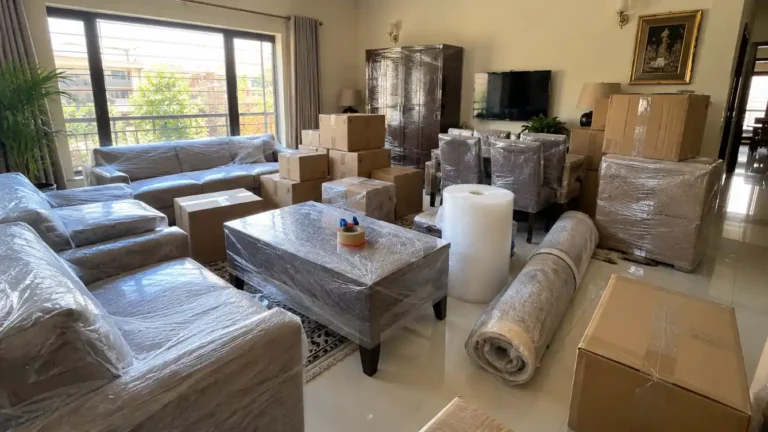
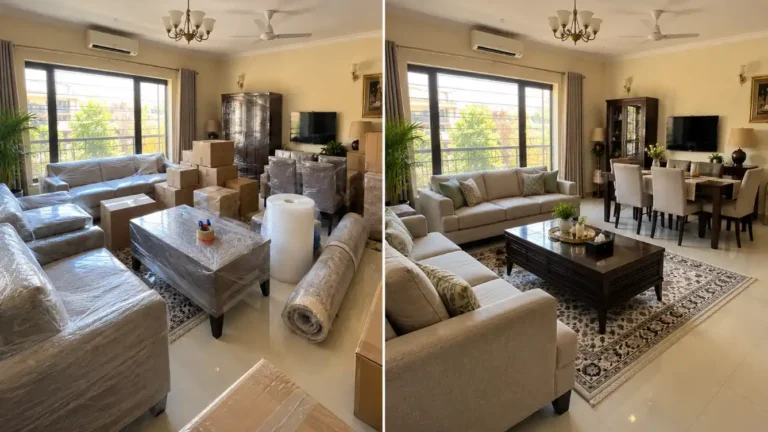
- Wrap upholstery: cover sofas and mattresses in stretch film to keep them clean.
- Protect wood and corners: wrap polished furniture in blankets and fit corner guards.
- Empty the drawers: or wrap the whole unit in stretch film so the drawers stay shut.
Sealing and Labelling Your Boxes
Tape the bottom of each box in an H shape, with one strip along the seam and one across each edge, and do the same on top. Label two sides of every box, not just the top, with:
- The room it goes to
- A short list of what is inside
- “Fragile” or “Heavy” where it applies
- A box number that matches your list
Using a different marker colour for each room helps the crew put boxes in the right place quickly.
Packing Mistakes That Lead to Breakage
- Packing plates flat in a stack instead of on their edge
- Leaving empty space in boxes with glass or crockery
- Putting heavy books in large boxes
- Using newspaper directly on fine china, which can leave ink marks
- Sealing boxes with weak tape or only one strip
- Labelling only the top of the box
- Keeping liquids in the same box as clothes or books
Rather Leave the Packing to Us?
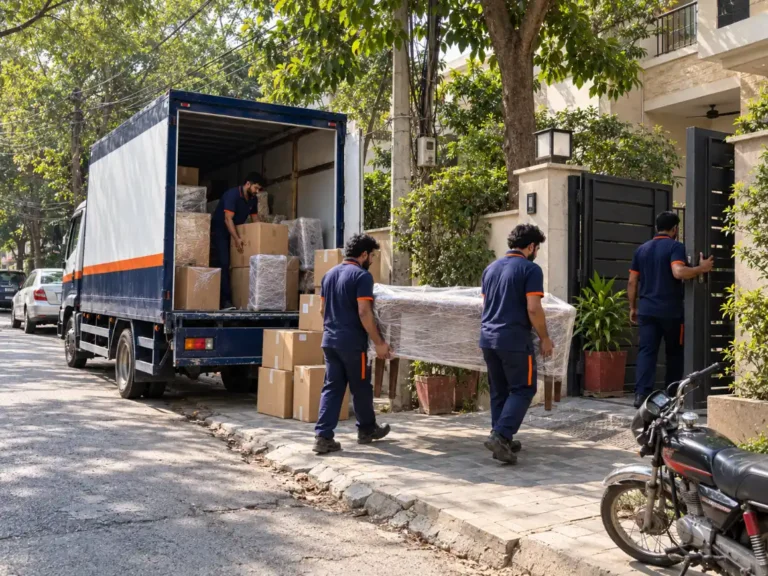
Our crews bring cartons, bubble wrap and stretch film, and pack crockery, electronics and furniture for you. We cover Karachi, Lahore, Islamabad and Rawalpindi, plus intercity moves. Call 0332 5064392 or WhatsApp us for a free house shifting quote.
Packing FAQs
Which boxes are best for house shifting?
Double-wall corrugated cartons are best for crockery, books and electronics. Use small boxes for heavy items and large boxes for light things like bedding.
What should I pack first when shifting house?
Start with the things you use least, such as store room items, decor, books and out-of-season clothes. Pack the kitchen and daily-use items in the last two days.
How do I pack glasses and crockery without breaking them?
Wrap each piece separately in paper and bubble wrap, stand plates on their edge, stuff glasses with paper, cushion the bottom and top of the box, and fill every gap so nothing moves.
Can I use newspaper for packing?
Newspaper is fine for filling gaps and wrapping pots, but use plain paper as the first layer on fine china and light-coloured items, because newspaper ink can rub off.
Should I pack myself or let the movers pack?
Packing yourself saves money, but professional packers are faster and bring the right material. Many families pack clothes and personal items themselves and leave crockery, electronics and furniture to the movers.